
Supporting neurodivergent students well requires more than isolated strategies or one-off PD sessions, especially as access to NDIS supports is decreasing, placing greater demands on teachers.
It requires understanding of neurodivergent thinking styles, social interaction styles, attention, sensory and movement needs, and curiosity and compassion when approaching unusual behaviours.
The Engaging Neurodivergent Learners webinar series brings together leading neurodivergent educators, school leaders and health professionals sharing from both their professional expertise and lived experience. We dive into practical and flexible approaches that work in real classrooms and playgrounds with a variety of neurodivergent learners.
Designed for classroom teachers, learning support staff, school leaders, and specialist educators, this 10-part series moves beyond compliance-based approaches and towards inclusive, respectful, and sustainable practices that create safer spaces for students to engage and learn in their own way at their own pace.

Series Summary
Across ten 1-hour webinars, this series supports educators to:
- better understand neurodivergent students as individuals
- design learning environments that support regulation, engagement, and safety
- respond to behaviour with curiosity rather than control
- involve students meaningfully in their own support planning
- build inclusive practices that work across classrooms, playgrounds, and whole-school contexts
Each session stands alone, but together they provide a coherent, practical framework for inclusive teaching across early childhood, primary, and secondary settings.
What the Series Covers
Across the 10 sessions, participants will learn about:
- Understanding neurodivergent learners beyond labels and diagnoses
- Using student profiles to inform teaching and support
- Embedding sensory regulation across the school day
- A neurodiversity-affirming take on teaching social skills
- Planning inclusive excursions and incursions
- Including students in identifying their own supports and accommodations
- Interpreting behaviour as communication
- Supporting PDA learners through safety, connection, and autonomy
- Designing learning environments where PDAers can thrive
- Supporting non-speaking students and students with intellectual disability, including transitioning from high school
All content is grounded in neurodiversity-affirming practice and reflects current clinical, educational, and lived-experience perspectives.

Learning Objectives
By completing the full series, participants will be able to:
- Apply neurodiversity-affirming principles confidently in classroom practice.
- Identify and respond to sensory, emotional, and cognitive needs.
- Reduce reliance on compliance-based and punitive strategies.
- Support regulation, engagement, and participation across school settings.
- Involve students meaningfully in planning and decision-making.
- Design inclusive learning environments that support diverse learners.
- Strengthen collaboration with families and support professionals.
- Increase confidence supporting complex and misunderstood profiles, including non-speaking students and PDAers.
LIVE WEBINAR SERIES
Engaging Neurodivergent Learners
10 webinars | 10 hours CPE | Recordings & Resources
GROUP BOOKING DISCOUNTS APPLY
“Inclusion is not about making students fit the classroom.
It’s about designing classrooms where students don’t have to shrink to belong.”

Move Beyond Behaviour Management to Real Understanding
This series helps educators shift from reacting to behaviours to understanding what’s driving them. Instead of relying on compliance-based strategies, you’ll learn how to interpret behaviour as communication and respond in ways that build safety, trust, and genuine engagement.

Practical Strategies You Can Use Immediately
In a busy classroom, we know you have limited time, competing demands, and diverse student needs to accommodate. You’ll leave with concrete tools, frameworks, and language you can apply the very next day, whether you work in early childhood, primary, or secondary settings.

Build Whole-School Consistency, Not Isolated Fixes
Supporting neurodivergent students well requires more than one enthusiastic staff member. This series provides a coherent framework that can be shared across teams, helping schools create consistent, inclusive practices that reduce burnout and improve outcomes for both students and staff.

What’s Included with Registration
- 12 months access per registration
- 10 x 1-hour webinar recordings
- Slides & Resources (where applicable)
- 10 hours of CPE/CPD (one certificate provided for each session)
- Flexible access for individual viewing or team PD use (each team member must register to access their own certificates)
GROUP BOOKING DISCOUNTS APPLY FOR 3+ REGISTRATIONS
THE WEBINARS
THE WEBINARS
What You Will Learn
What You Will Learn
Purchase the webinars as a series or as individual trainings.
Duration: 1 hour
Presenter: Lydia Meem, Clinical Psychologist, Autism Understanding
CPE: 1 hour (certificate provided)
Webinar Summary
Understanding a neurodivergent student goes far beyond labels, diagnoses, or generic adjustments.
Autism Understanding’s Neurodivergent Student Profile was designed to help teachers gather meaningful, practical insights about how a student thinks, communicates, regulates, and engages at school, without reducing them to a checklist of traits.
In this opening webinar of the Engaging Neurodivergent Learners series, clinical psychologist Lydia Meem shares 10 practical, real-world ways to use the Neurodivergent Student Profile.
This session focuses on turning information into action, helping teachers move from “knowing” a student is neurodivergent to confidently supporting them in ways that are consistent, respectful, and genuinely helpful across the school day.
This Webinar Covers
-
What the Neurodivergent Student Profile is (and what it is not)
-
How to use the tool to build a clearer, strengths-informed understanding of students
-
Using the profile tool collaboratively with families and support staff
-
10 practical ways the profile can support:
- identifying thinking styles
- smoother end-of-year handovers
- casual teachers accessing key information quickly
- social communication and relationship-building
- sensory regulation, classroom and playground supports
-
what to do when a student is feeling stressed, frustrated or angry
-
inviting older students to be involved in their Individual Education Planning process
-
building consistency across staff and settings
- planning for incursions, excursions and school camp
- referrals to service providers
Learning Objectives
By the end of this webinar, participants will be able to:
-
Use the free Neurodivergent Student Profile to gather meaningful, student-centred information
-
Apply profile insights to support engagement, learning, and emotional regulation
-
Improve consistency of support across classrooms and staff
-
Strengthen collaboration with families using shared, practical language
-
Feel more confident supporting neurodivergent students through informed, proactive practice
- Encourage older students to identify the supports and accommodations they find most helpful
Duration: 1 hour
Presenter: Claire Britton, Occupational Therapist
CPE: 1 hour (certificate provided)
Webinar Summary
Sensory regulation doesn’t start and end in a dedicated sensory room.
While sensory spaces can be helpful, they’re often used as a reactive solution rather than part of a broader, proactive approach to regulation across the school day. This webinar invites teachers to think beyond isolated interventions and explore how sensory-aware practice can be embedded into classrooms, playgrounds, transitions, and daily routines.
Led by AuDHDer occupational therapist Claire Britton, this session focuses on practical, realistic ways to support regulation in real school environments, without requiring major budgets, specialised rooms, or complex equipment.
This webinar is particularly relevant for teachers supporting neurodivergent learners who experience sensory overload, dysregulation, or fatigue in mainstream settings, and for schools wanting to move toward more inclusive, regulation-supportive practices.
This Webinar Covers
-
Why sensory rooms alone are not enough for sustained regulation
-
How sensory demands show up across the school day (often unnoticed)
-
Common environmental and classroom triggers that impact regulation
-
Practical ways to embed sensory regulation into:
- classrooms
- playgrounds
- transitions and movement between spaces
- whole-school routines
-
Low cost, simple strategies that can be implemented immediately
-
The role of predictability, choice, and environmental design in supporting regulation
-
Shifting from reactive responses to proactive, whole-school support
Learning Objectives
By the end of this webinar, participants will be able to:
-
Understand how sensory regulation extends beyond designated sensory spaces
-
Identify sensory challenges within everyday school environments
-
Recognise early signs of sensory overload and dysregulation in students
-
Apply practical strategies to support regulation across multiple school contexts
-
Make informed decisions about environmental adjustments that support inclusion
-
Strengthen confidence in supporting neurodivergent learners without relying on withdrawal-based approaches
Duration: 1 hour
Presenter: Liz Baird, Speech Pathologist
CPE: 1 hour (certificate provided)
Webinar Summary
Traditional social skills programs often aim to teach neurodivergent students how to look more neurotypical, frequently at the cost of authenticity, wellbeing, and self-esteem.
This webinar reframes social learning through a neurodiversity-affirming lens, focusing on understanding social communication differences rather than correcting them. Led by speech pathologist Liz Baird, the session explores how educators can support social connection, communication, and relationship-building without enforcing conformity or masking.
Designed for classroom teachers, learning support staff, and school leaders, this session offers practical, respectful alternatives to deficit-based social skills teaching.
This Webinar Covers
-
Why traditional social skills programs often miss the mark for neurodivergent students
-
The difference between teaching social compliance and supporting genuine communication
-
Understanding diverse communication styles, preferences, and social needs
-
Common misconceptions about “appropriate” social behaviour in schools
-
How to support:
-
social understanding without scripting or forcing eye contact
-
peer relationships through shared interests and context
-
communication differences across classroom and playground settings
-
-
Practical strategies for teaching social understanding in affirming, flexible ways
-
Creating environments where social connection can emerge naturally
Learning Objectives
By the end of this webinar, participants will be able to:
-
Understand what a neurodiversity-affirming approach to social learning involves
-
Recognise the limitations and risks of compliance-based social skills programs
-
Identify diverse communication styles and social preferences in students
-
Apply practical strategies that support authentic social connection
-
Foster inclusive classroom environments that respect difference rather than enforce sameness
-
Feel more confident supporting social development without encouraging masking
Duration: 1 hour
Presenter: Lydia Meem, Clinical Psychologist
CPE: 1 hour (certificate provided)
Webinar Summary
Excursions and incursions are often memorable highlights of the school year, but for many neurodivergent students, they can also be overwhelming, unpredictable, and exhausting.
This webinar focuses on proactive planning that supports participation, regulation, and inclusion before challenges arise. Rather than reacting to distress on the day, neurodivergent clinical psychologist Lydia Meem encourages educators to anticipate common concerns students have when their routine changes, and to put supports in place early, so students understand what's happening and can confidently join in.
Designed for classroom teachers, learning support staff, and school leaders, this session helps schools move away from last-minute adjustments and towards thoughtful, student-centred planning that benefits neurodivergent learners, and often improves the experience for neurotypical students too.
This Webinar Covers
-
Why excursions and incursions can be particularly challenging for neurodivergent students
-
Common triggers related to:
-
unpredictability and changes in routine
-
sensory overload
-
social communication challenges, finding and working with a buddy or group
-
transitions and having to wait
-
-
How to plan ahead using:
- visual and written supports so students know what to expect
- supporting students to find a buddy or group in advance
- rehearsing skills in a low-stress environment
- familiar staff supporting groups of students with higher support needs
-
choice and flexibility around engaging in activities, building in recovery time on camp
- having a clear alternative in case of wet weather
-
Collaborating effectively with families and support staff
-
Reducing reliance on withdrawal or “opt-out” approaches through better planning
Learning Objectives
By the end of this webinar, participants will be able to:
-
Identify potential barriers to participation in excursions and incursions
-
Recognise the sensory and social communication demands of out-of-routine school activities
-
Plan proactive supports that promote inclusion and emotional regulation
-
Prepare neurodivergent students in ways that reduce anxiety and overwhelm
-
Strengthen communication with families around upcoming events
- Create planning templates that can be reused for incursions and excursions
-
Increase confidence in supporting diverse learners during whole-school activities
Duration: 1 hour
CPE: 1 hour (certificate provided)
Presenter: Adelle Sushames, Clinical Psychologist
Webinar Summary
Educational planning is often done about neurodivergent students rather than with them.
This webinar focuses on meaningful ways to involve students in identifying the supports and accommodations that work best for them. Led by neurodivergent clinical psychologist Adelle Sushames, creator of ND Me, Spoon Thieves @ School and Spoon Savers @ School card decks, the session explores how student voice can be included in planning processes in developmentally appropriate, respectful, and practical ways.
By shifting from adult-led decision-making to collaborative planning, educators can improve engagement, and support students to develop self-understanding and advocacy skills, without placing unrealistic responsibility on the student.
This Webinar Covers
- Understanding energy fluctuations as part of dynamic disability
-
Why student involvement in planning matters for engagement and wellbeing
-
Developmentally appropriate ways to invite student input
-
Helping students identify:
-
what's hard for them at school and drains their energy (Spoon Thieves)
-
what gives them energy at school and helps them join in (Spoon Savers)
-
-
Translating student insights into practical classroom accommodations
-
Creating planning processes that are empowering, not overwhelming
- Balancing student voice with adult responsibility and duty of care
Learning Objectives
By the end of this webinar, participants will be able to:
- Understand energy fluctuation as part of dynamic disability
-
Use resources like ND Me and Spoons @ School card decks to support students to articulate their needs, preferences, and strengths, and to realise they are not alone in the way their brain works
-
Build confidence in facilitating inclusive, student-centred planning conversations
- Develop collaborative accommodation plans that feel respectful and realistic
- Improve student engagement through shared ownership of supports
Duration: 1 hour
Presenter: Lydia Meem, Clinical Psychologist
CPE: 1 hour (certificate provided)
Webinar Summary
Behaviours that look “unusual” or disruptive are often treated as problems to be stopped, rather than signals to be understood.
This webinar invites educators to pause, step back, and approach behaviour with curiosity instead of correction. Led by neurodivergent clinical psychologist Lydia Meem, the session reframes behaviour as communication, and supports teachers to ask: What might this student be experiencing? What does the behaviour mean to them? Is this behaviour actually a problem? How can I better support this student?
Rather than offering quick fixes or compliance-based strategies, this webinar focuses on thoughtful, neurodiversity-affirming responses that reduce distress, improve relationships, and support emotional regulation over time.
This Webinar Covers
- Common assumptions about “challenging” or “unusual” behaviours
-
Reframing behaviour as communication rather than being naughty or annoying
-
Key questions to ask when behaviours arise:
- Is the student aware of what they are doing? What's their understanding of the situation?
-
Is this actually a problem, or a difference in brain style?
-
What might the student be avoiding, seeking, or communicating?
-
What has changed in the environment or routine?
- What else might be impacting on the student's capacity today?
-
Understanding the role of sensory, emotional, cognitive, and social factors
- Increasing predictability and routine, and offering opportunities for student choice and control
-
Responding in ways that:
-
reduce escalation
-
support regulation
-
preserve student dignity
- re-establish rapport and build trust after an incident
- once the student is feeling more regulated, exploring collaborative trouble-shooting of situations and looking for things you can both do differently if needed, rather than enforcing discipline (especially if the student has difficulty connecting their behaviour with delayed consequences)
-
Learning Objectives
By the end of this webinar, participants will be able to:
- Come from a place of curiosity rather than judgment around a student's behaviour
- Differentiate between behaviours that need intervention and behaviours that reflect difference
-
Identify unmet needs that may be driving behaviour
-
Respond in ways that prioritise regulation, safety, and connection
-
Reduce reliance on punitive or exclusionary practices
-
Feel more confident interpreting behaviour through a neurodiversity-affirming lens
Presenter: Annabel Tannenbaum, Educator and Consultant
CPE: 1 hour (certificate provided)
Webinar Summary
Sensory regulation is more effective when students understand what’s happening in their own brains and bodies, not just when adults manage it for them.
This webinar focuses on using books, visuals, posters, and evidence-based resources that help explain different brain styles in clear, respectful ways, and building a practical sensory regulation toolbox. Led by neurodivergent educator and consultant Annabel Tannenbaum, the session supports teachers to move beyond abstract concepts and give students accessible language and tools to understand their own brain style, social communication style, and sensory needs.
Designed for educators working across early years and primary settings (and highly relevant for learning support staff), this session offers concrete resources that can be used immediately to support regulation, inclusion, and self-understanding.
This Webinar Covers
-
Age-appropriate resources for understanding brain styles (e.g. autism, ADHD, dyslexia, dysgraphia, dyspraxia, PDA)
-
Supporting students to recognise and communicate their own regulation needs
-
Creating shared language around sensory differences without stigma
- Evidence-based tools for sensory regulation that work in real classrooms
Learning Objectives
By the end of this webinar, participants will be able to:
- Select and use books and visuals to explain different brain styles
-
Build a practical sensory regulation toolbox for classroom use
-
Match regulation tools to individual student needs
-
Support student self-awareness around sensory preferences
-
Strengthen inclusive classroom culture through shared understanding of differences
Presenter: Lydia Meem, Clinical Psychologist
CPE: 1 hour (certificate provided)
Webinar Summary
Pathological Demand Avoidance (PDA) is often misunderstood in school settings, leading to escalating behaviour plans, increased consequences, and growing distress for both students and staff. These students often experience fluctuating capacity, and may be able to engage in a task one day but not the next. They can be very sensitive to perceived expectations, and withdraw, freeze or refuse to engage when feeling pressured. These students are at high risk for School Can't (previously known as school reluctance and school refusal).
In this webinar, neurodivergent clinical psychologist Lydia Meem explores why traditional teaching and behaviour-management strategies frequently fail for students with a PDA profile, and how a compliance-based approach can unintentionally increase anxiety, resistance, and relational breakdown.
Instead, this session focuses on building safety, trust, and connection as the foundation for engagement and learning. Grounded in psychological understanding and practical school-based experience, the webinar supports educators to rethink expectations, language, and responses in ways that reduce threat and support participation.
This Webinar Covers
-
What PDA is and how it presents in school environments
-
Why compliance-based strategies often escalate distress for students with PDA
-
Understanding demand, threat perception, and anxiety-driven responses
-
Common classroom practices that unintentionally increase pressure
-
Shifting from:
-
control to collaboration
-
instruction to invitation
-
compliance to connection
-
-
Practical strategies to:
-
reduce perceived demands
-
build emotional safety
-
support engagement without power struggles
-
-
Supporting staff confidence when working with complex and misunderstood profiles
Learning Objectives
By the end of this webinar, participants will be able to:
-
Understand why traditional behaviour and teaching strategies are ineffective for students with PDA
-
Recognise signs of demand-related distress in the classroom
-
Adjust language, expectations, and routines to reduce threat
-
Apply relationship-based strategies that prioritise safety and trust
-
Support engagement without relying on rewards, consequences, or coercion
-
Feel more confident working with students who present with high avoidance and anxiety
Presenter: Tanya Steers, Principal
CPE: 1 hour (certificate provided)
Webinar Summary
Students with a PDA (Pathological Demand Avoidance) profile often struggle most in environments built around compliance, control, and rigid expectations. When learning spaces feel unsafe or overly demanding, engagement can quickly unravel.
This webinar focuses on environmental design and educator mindset as key levers for supporting PDAers from Pre-Kindy through to Year 6. Led by school principal and early childhood specialist Tanya Steers, the session explores how learning environments can be structured to reduce threat, increase autonomy, and support genuine engagement, without lowering expectations or removing boundaries altogether.
Grounded in real-world school leadership and classroom practice, this session supports educators to move beyond behaviour management and toward environments where PDAers can participate, learn, and belong.
This Webinar Covers
-
Understanding PDA through an environmental and relational lens
-
Why traditional classroom structures often escalate avoidance
-
Key features of learning environments that support PDAers, including:
-
flexibility and choice
-
predictable but non-rigid routines
-
language that reduces perceived demand
-
opportunities for autonomy and collaboration
-
-
Designing classrooms that feel emotionally and psychologically safe
-
Balancing structure with flexibility across early years and primary settings
-
Supporting staff consistency without enforcing compliance
-
Practical examples of school-wide and classroom-level adjustments
Learning Objectives
By the end of this webinar, participants will be able to:
-
Understand how learning environments impact PDA engagement and regulation
-
Identify classroom practices that unintentionally increase demand and threat
-
Design learning spaces that support autonomy, safety, and connection
-
Apply age-appropriate strategies for PDAers from Pre-Kindy to Year 6
-
Strengthen confidence in supporting PDA without power struggles
-
Create inclusive environments that benefit a wide range of learners
Presenter: Kirsty Thornton, Support Teacher Transition
CPE: 1 hour (certificate provided)
Webinar Summary
Non-speaking students and students with intellectual disability are too often underestimated, misunderstood, or excluded from meaningful planning, particularly as they move through upper primary, into secondary school and beyond.
This final webinar in the Engaging Neurodivergent Learners series focuses on practical, strengths-based approaches to supporting learning, communication, participation, and transition for non-speaking students and students with intellectual disability.
With a strong emphasis on dignity, access, and high expectations, this session supports educators to move beyond assumptions about capacity and to build learning environments where all students are supported to communicate, belong, and be included, especially during key transition points such as the move from high school to work experience, study, supported employment and community participation.
This Webinar Covers
-
Challenging common assumptions about non-speaking students and intellectual disability
-
Understanding communication beyond speech
-
Supporting participation, independence and self-autonomy through:
-
alternative and augmentative communication (AAC)
-
environmental supports
-
predictable routines and visual scaffolds
-
-
Planning for transitions, including:
-
planning for life after secondary school
- building opportunities through work experience
-
increasing independence and self-advocacy
-
collaboration with families and support teams
-
-
Planning for continuity of support into adulthood
Learning Objectives
By the end of this webinar, participants will be able to:
-
Understand the diverse communication needs of non-speaking students
-
Recognise the strengths and capacities of students with intellectual disability
-
Apply practical strategies to support access, participation, and learning
-
Use inclusive planning approaches that respect student dignity
-
Support smoother transitions from high school
-
Feel more confident working collaboratively with families and support professionals
These sessions are practical, classroom-tested, and grounded in neurodiversity-affirming principles. Whether you attend one targeted webinar or commit to the full 10-part series, you’ll walk away with strategies you can apply immediately.
It's not about making you feel guilty for using outdated practices. When we know better, we can do better. Secure your place now and join educators across Australia who are committed to understanding, celebrating and accommodating neurodivergent students.
Meet the Speakers
All of our speakers are neurodivergent, and share from both their professional expertise and lived experience.
The series features contributions from leading clinicians and educators, including:
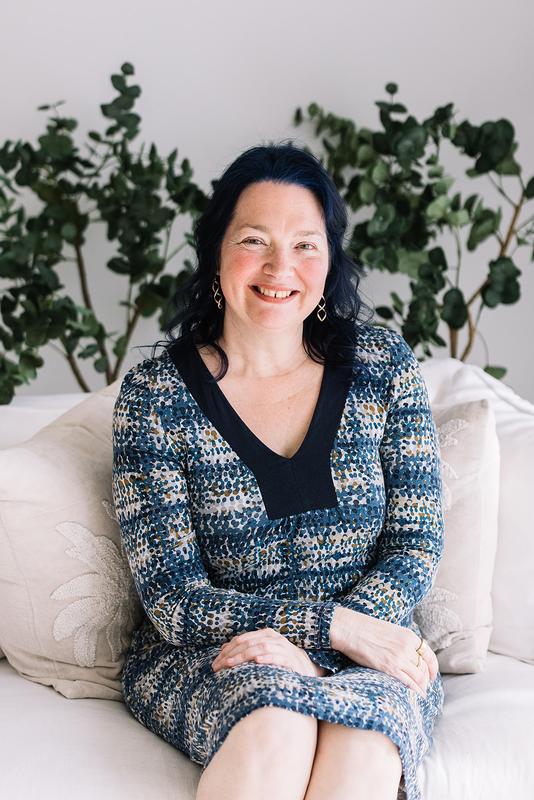
Lydia Meem
CLINICAL PSYCHOLOGIST
Neurodivergent clinical psychologist and founder of Autism Understanding. Lydia has worked in autism-specific and mainstream school settings, and provided autism training for teachers around Australia from 2009. Lydia is passionate about neurodiversity affirming practice, and provides clinical supervision, online courses, and customised training for schools. She developed the Supporting Autistic Students online course.
PRESENTATIONS
10 ways to use Autism Understanding's free Neurodivergent Student Profile
Planning excursions & incursions with neurodivergent students
Staying curious about unusual behaviours
Shifting gears: Building safety and connection with PDA students
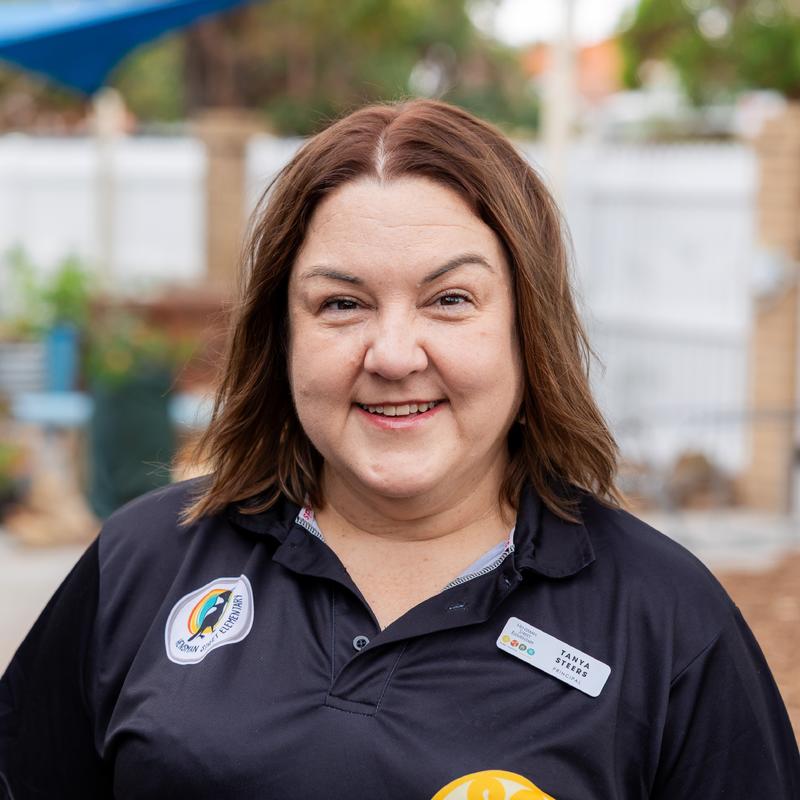
Tanya Steers
PRINCIPAL & EARLY CHILDHOOD SPECIALIST
Tanya Steers is an educational leader and child advocate committed to reimagining learning through community, connection, and courage. As a driving force behind Hensman Street Elementary, she champions a relationship-centred approach that prioritises wellbeing, belonging, and deep engagement over compliance and standardisation. Her work focuses on inclusive, child-led learning environments that honour neurodiversity, place-based education, and the rights of children to be seen as capable, competent citizens.
PRESENTATION
Child-led learning: Creating Learning Environments Where PDAers Can Thrive (Pre-Kindy to Year 6)

Adelle Sushames
CLINICAL PSYCHOLOGIST
AuDHDer clinical psychologist, founder of NeurodivergentAlly and creator of Spoon Thieves, Spoon Savers and ND me card decks. Adelle has recently released the Spoons @ School card decks, and a book for children, Strong and Sensitive: A Tiger Tale about Autism and ADHD. Adelle is passionate about helping AuDHDer children and families to understand, support and celebrate their individuality. With 85k followers on her @neurodivergent_ally social media, Adelle often answers questions on autism, ADHD & School Can’t.
PRESENTATION
Understanding Energy Fluctuations and Including Students In Their Planning Process

Kirsty Thornton
SUPPORT TEACHER TRANSITION
Kirsty is a neurodivergent (ADHD, anxiety, autistic traits) experienced teacher with the Department of Education NSW, who has taught in specialised education settings from pre-Kinder to Year 12. She works with students with intellectual and physical disabilities, as well as those requiring support due to emotional and behavioural disorders. In her current role as Support Teacher Transition, Kirsty works with a cohort of schools to support senior students with disabilities and their families/carers through the transition from high school to post school opportunities and adult life. Kirsty is committed to assisting students to follow their passions and strengths to find study and employment options, social connection and personal fulfilment.
PRESENTATION
Supporting Non-Speaking Students, Intellectual Disability, and transition from high school

Liz Baird
SPEECH PATHOLOGIST
Liz is an Autistic speech pathologist who works with Autistic youth and young adults, with a strong focus on supporting authentic social communication. Liz develops training and resources to help professionals shift away from traditional approaches and adopt neurodiversity-affirming practices. She is passionate about translating affirming values into practical, real world steps for educators, support staff and therapists.
PRESENTATION
A Neurodiversity-Affirming Take On Teaching Social Skills

Claire Britton
OCCUPATIONAL THERAPIST
Neurodivergent occupational therapist and founder of Neuroinclusion, speaker, podcast guest, neurodiversity advocate and clinical mentor to therapists across Australia. With over 30k followers on her @claire.neuroinclusion social media, Claire is passionate about educating, inspiring and empowering Australian teachers, parents and therapists to meet the needs of neurodivergent children and adolescents.
PRESENTATION
Thinking Beyond A Sensory Room - Incorporating sensory regulation into the whole school environment

Annabel Tannenbaum
EDUCATOR & CONSULTANT
Learn Directly From Leaders in Neurodiversity-Affirming Practice
This series brings together clinicians, educators, school leaders, and professionals with lived experience — people who understand both the research and the reality of classrooms.
If you’re looking for thoughtful, evidence-informed professional learning delivered by people who genuinely understand neurodivergent learners, this series is for you.
Join us live, or access the recordings at your convenience.
FAQ
These are some of the questions people most frequently ask us:
Who is this series suitable for?
This series is designed for classroom teachers, learning support staff, school leaders, specialist educators, and early childhood professionals. It is relevant across early learning, primary, and secondary settings.
Do I need to buy/watch all 10 sessions?
No. Each webinar stands alone and can be attended individually. However, completing the full series provides a more cohesive framework and deeper understanding of inclusive, neurodiversity-affirming practice.
Are the sessions live?
All session recordings are now available for instant access. The videos are from May-August 2026 webinar recordings.
Are these sessions suitable for educators new to neurodiversity-affirming practice?
Yes. The sessions are practical and accessible, while still offering depth for experienced practitioners. They are designed to move beyond surface-level strategies and support meaningful implementation.
How long will I have access to the recordings?
Participants will receive access for a minimum of 12 months, allowing time for individual reflection and revisiting.
Will I receive a CPE/CPD certificate?
Yes. A certificate of completion (1 hour CPE/CPD per webinar) will be provided for each session attended or viewed via recording.
Can our whole school watch together?
Shared logins are strictly prohibited. Individual registrations are for single viewers only. For team or whole-school access, you must register each participant in one checkout registration.
Alternatively, please contact us for group registration with the Names and Email Addresses for each participant.
Is the content evidence-based?
Yes. All sessions are grounded in current research, clinical expertise, educational practice, and lived experience perspectives aligned with neurodiversity-affirming principles.
WEBINAR SERIES
Engaging Neurodivergent Learners
Individual Webinars
$99
Your choice of webinar/s
Live Webinar Access
Recording & Resources
CPE Certificate
INDIVIDUAL REGISTRATION
10 part Webinar Series
$990
$550pp
Access all 10 Webinars
Live Webinar Access
Recording & Resources
CPE Certificates
GROUPS OF 3+
Group Booking
$550pp
$495pp
Access all 10 Webinars
Live Webinar Access
Recording & Resources
CPE Certificates