
 Autism Understanding
 How has our understanding of autism changed?
Our current diagnostic systems for mental health and developmental differences are based on holding individual humans up to an assumed 'gold standard' - the neurotypical brain style, and determining where the individual displays a 'lack of' something or 'poor' something else, and to see if these patterns of deficits fit a set of rigid categories.
The neurodiversity affirming movement challenges medical assumptions that differences must be deficits, and it rejects the idea of one ideal brain style or neurotype to be held up over others. We are encouraged to recognise the strengths of people with a wide variety of brain styles, while recognising that our schools, workplaces and our society in general still have a ways to go in supporting and accommodating the needs of all brain styles.
Our understanding of autistic brain styles has broadened and deepened over time, to include people with internalised presentations of autism who may not fit the old stereotypes of what autism looks like. We've also learned from autistic adults about the harms caused by older interventions. Neurodiversity affirming practice shifts the focus from 'intervention' with a goal of making someone appear more neurotypical, and towards understanding, respecting and accommodating differences, and checking that supports actually fit the individual's own goals.
Why this book?
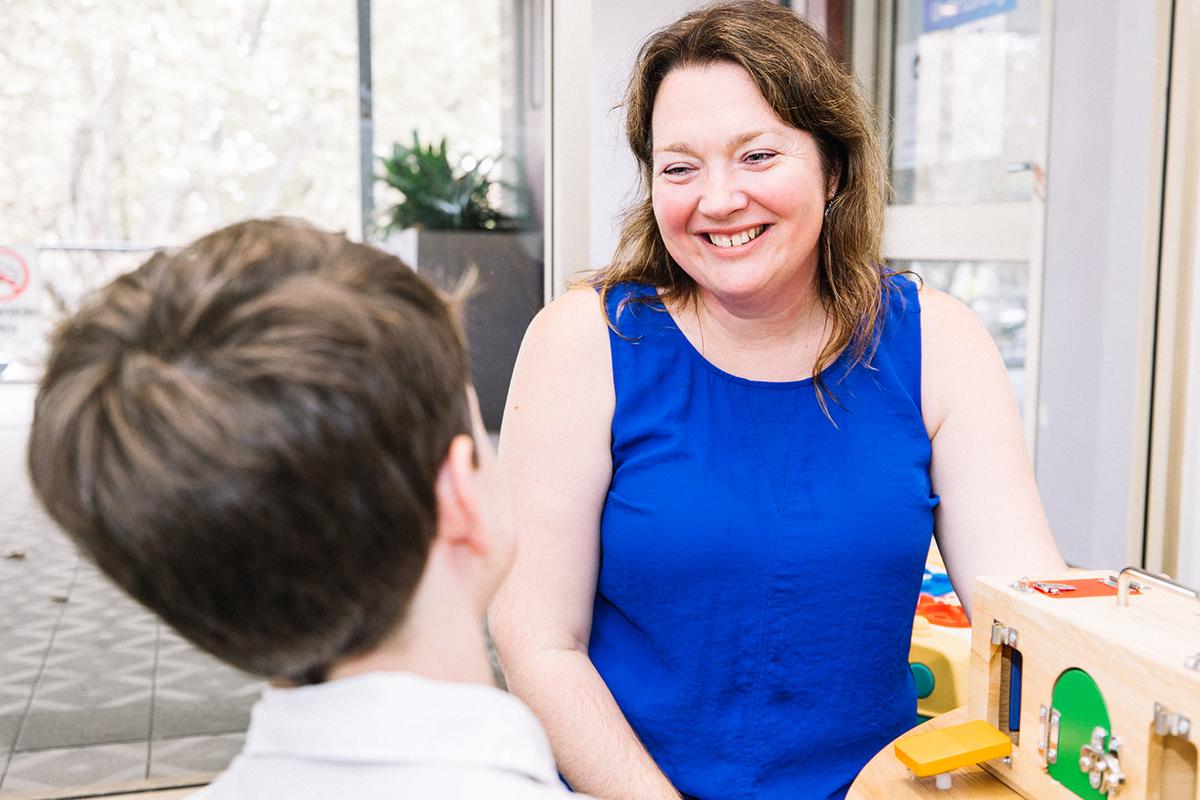
As clinicians, we want to help our clients and their families explore their own brain styles, understand themselves better, and often, to access the supports and accommodations they need to thrive at home, school and work.
A client's experience of their own autism assessment can be pivotal in their identity, and their confidence in advocating for the supports and accommodations they need to live, study and work in a society often not set up for their brain style.
Beyond DSM for Autism has been written for clinicians who want to move beyond the initial steps in neurodiversity affirming practice, for example using identity-first language, and dive deeper into creating a neurodiversity affirming assessment experience in partnership with our clients and their families.
When we create a safe space to really unpack the way autism may actually show up in a person's life, and let them tell their story in their own words, they move forward in understanding how autism frolics in their family, and letting go of shame they've been carrying about never quite fitting in with others at school, or not working in the same way as their colleagues. If perhaps autism isn't the best explanation for their brain style, we can suggest other brain styles that may be a better fit for them, without judgement.
This is not another diagnostic guide.
Beyond DSM for Autism offers a nuanced combination of key neurodiversity affirming concepts, real-life examples of what autism can look like across the life span, and practical tips so you can make subtle but powerful changes to the way you walk with clients on their autism assessment journey.
Beyond DSM for Autism
Creating a neurodiversity affirming autism assessment experience
Expected Release: Early 2027
Inside the book, Lydia Meem brings together:
- Rethinking traditional autism assessment
- Myths and stereotypes about autism and assessment
- Understanding the past: The impact of models of autism and disability
- What is neurodiversity affirming practice for autism?
- Gender diversity and autism
- First contact, creating a safer space, gaining rapport
- Selecting accurate and affirming assessment tools and methods
- Recognising internalised and externalised autism characteristics across the life span
- Decoding DSM jargon and other terms for autism, and finding neurodiversity affirming alternatives
- Differential and co-occurring neurotypes and experiences to consider
- Writing neurodiversity affirming reports for clients and funding bodies
- Facilitating feedback sessions: Reflecting on the assessment, brain styles, identity, and next steps
- Tailoring recommendations
- Frequently Asked Questions
- Resources and References

This book is for you if you want to:
- improve the autism assessments you're already providing, or
- consider adding autism assessments to your offerings
- understand the full range of autism presentations, beyond the examples provided in the DSM, across the life span
- select and use the most accurate, up-to-date autism assessment tools and methods to suit your clients' age, developmental level, and language skills
- feel more confident weighing the possibilities of differential and co-occurring neurotypes and experiences (i.e. ADHD, anxiety, trauma, learning differences, intellectual disability, rejection sensitivity, demand avoidance, School Can't, ARFID, alexithymia, synaestheisa, prosopagnosia and more)
- write reports that help your clients feel truly seen, that help to reframe their experiences in the light of an understanding of their brain style, and that also meet the needs of funding bodies
- assist your clients to explore what their brain style actually means for them and their life experiences, rather than imposing meanings on them
- provide practical recommendations, tailored to your client's passions, preferences and routines
Join the waitlist
The book is currently in development, with release expected in early 2027.
Join the waitlist to:
- Be the first to know when pre-orders open
- Access early release updates and behind-the-scenes insights
- Receive any clinician-only bonuses or launch offers
ABOUT THE AUTHOR
Lydia Meem
Lydia Meem is a neurodivergent clinical psychologist from Newcastle, Australia with extensive experience assessing and working with autistic individuals across the lifespan. Lydia is passionate about creating neurodiversity affirming autism assessment experiences that are a pivotal step in clients' journeys in understanding their own brain styles, and finding the supports and accommodations that fit best for them.
Lydia provides online and in-person training for health professionals, including the Neurodiversity Affirming Clinician online learning hub. She created the Neurodivergent Clinician Symposium to promote and share neurodiversity affirming practices across disciplines. Lydia is also the author of Beyond IQ Scores: A handbook for clinicians providing neurodiversity affirming cognitive and developmental assessments.